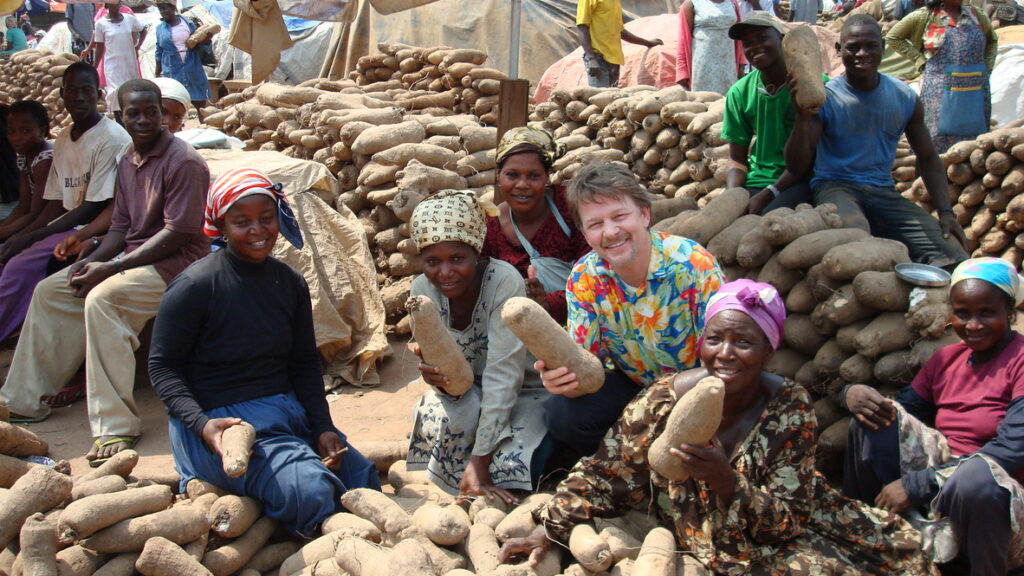

A Personal Journey into the Healing Traditions of Ghana
I didn’t know anything about traditional bone setters when I first arrived in Ghana in 2012. I had been traveling through West Africa conducting research on medicinal plants and traditional healing systems. One day, a friend I met at the university invited me to visit his village and introduced me to a man known as “the bone setter.”
The experience would change how I think about healing, pain, and the extraordinary capacity of the human body to repair itself—especially when supported by touch, trust, and time-tested techniques.
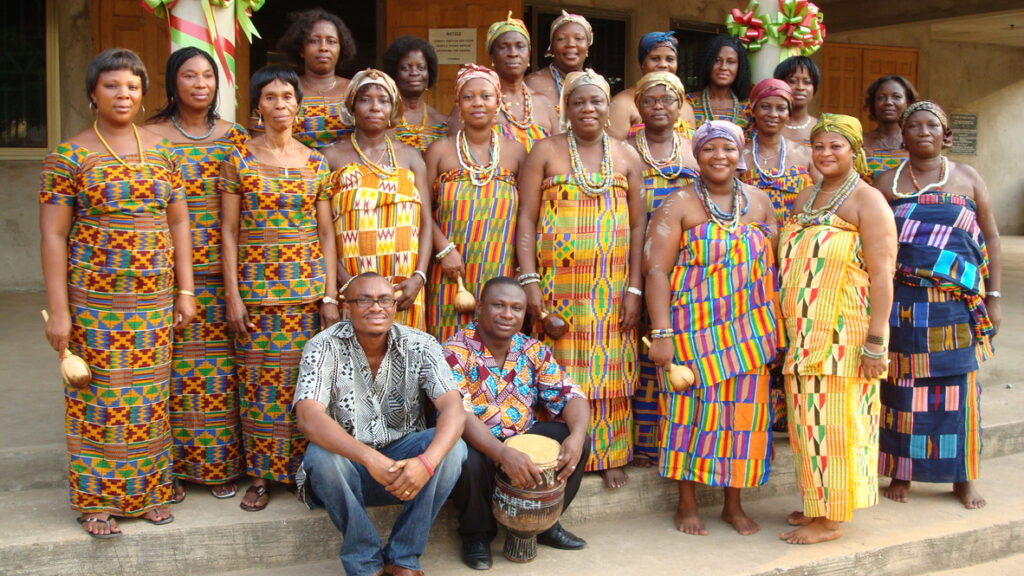
Traditional Bone Setters in West Africa: Ancestral Techniques for Modern Healing
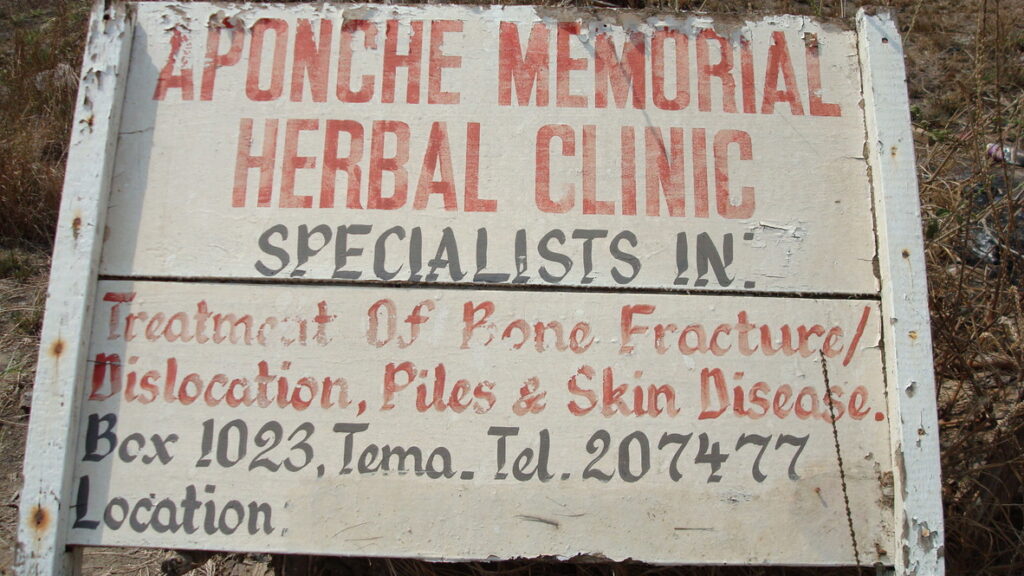
Traditional bone setting is one of the oldest healing arts in the world. In many parts of West Africa, particularly Ghana and Nigeria, these healers are often the first point of care for fractures, dislocations, and soft tissue injuries.
Bone setters typically learn their craft through family lineages, passing down knowledge from generation to generation. They use herbal compresses, wooden splints, massage, and sometimes incantations to treat musculoskeletal injuries. Despite lacking formal medical degrees, many bone setters gain enormous trust and credibility in their communities through consistent, visible results.
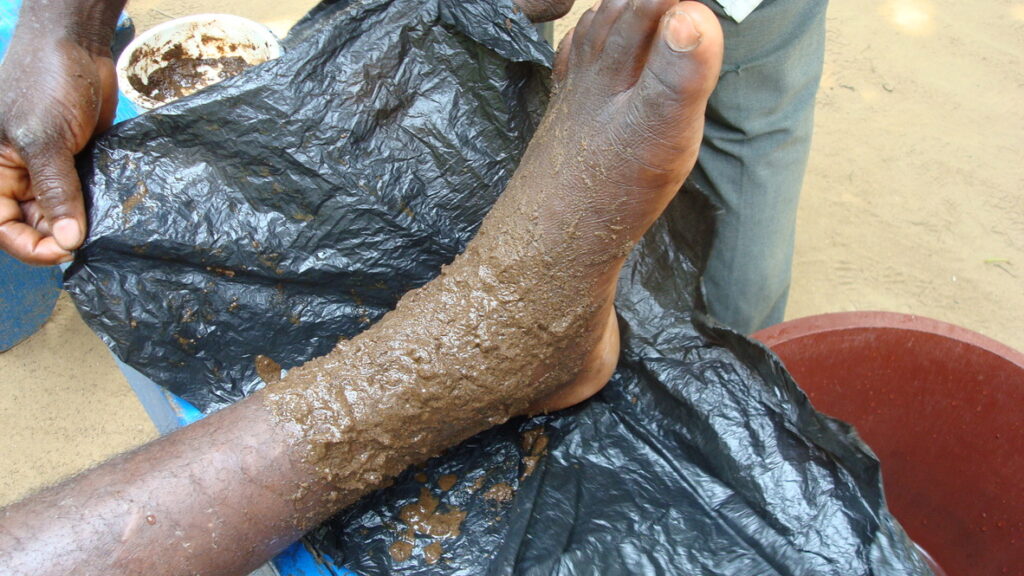
During my visit, I watched the practitioner gently palpate an elderly farmer’s swollen ankle. His touch was confident but sensitive. He explained that he was “reading the bones” with his hands. He applied a poultice of pounded herbs, wrapped the joint with cloth, and reassured the patient with a soft word and a calm smile. The whole process felt more like a sacred ritual than a clinical procedure.
The Science of Touch: Bone Setting, Trust, and Tissue Recovery
We often underestimate the physiological effects of skillful touch. Studies have shown that touch can reduce cortisol, increase oxytocin, and promote parasympathetic nervous system activity—all of which support healing.
There’s also a biomechanical logic to bone setting. The body responds to alignment, traction, and gentle pressure. These manual interventions stimulate circulation, lymphatic flow, and cellular repair.
But perhaps the most powerful element is trust. The healer’s confidence and presence seemed to create a relational safety net—a felt sense that the body could relax, that help was here, and that recovery was possible.

Why Traditional Medicine Still Matters in the Age of High-Tech Healthcare
In the modern world, we’ve become accustomed to interventions that are pharmaceutical, surgical, or digital. But not all healing requires machines or prescriptions. In fact, many chronic pain conditions respond better to integrative approaches that combine physiological support with human connection.
Traditional bone setters offer more than physical manipulation. They embody a healing philosophy that emphasizes relationship, ritual, and the innate intelligence of the body. For patients who feel unseen or overwhelmed in conventional care, this model can offer profound validation.

Connecting Traditional Healing and the Endocannabinoid System (ECS)
The ECS is a physiological system that helps regulate pain, inflammation, immune function, and tissue repair. While traditional bone setters have no formal knowledge of endocannabinoids or CB receptors, their methods appear to activate many of the same healing pathways.
Touch, trust, and targeted herbal therapies may stimulate endogenous cannabinoids, reduce stress responses, and promote homeostasis—all core functions of the ECS.

β-Caryophyllene: A Phytochemical Bridge Between Tradition and Science
One key ingredient often found in the herbal poultices applied by traditional bone setters is β-caryophyllene—a dietary sesquiterpene present in herbs like basil, clove, and black pepper. β-Caryophyllene is a selective CB2 receptor agonist, meaning it can directly engage the body’s endocannabinoid system to reduce inflammation and promote tissue repair without producing psychoactive effects.
Recent preclinical and early clinical studies suggest that β-caryophyllene may enhance fracture healing, reduce osteoarthritic inflammation, and modulate immune responses in musculoskeletal injuries. Its inclusion in traditional poultices may therefore provide a pharmacological explanation for the observed effectiveness of these treatments—offering a compelling case for the synergy of ancestral wisdom and ECS-informed science.
Final Reflections
This is not a romanticization of traditional medicine. Bone setting, like any medical practice, has risks. Fractures can be misaligned. Complications can arise. But in contexts where access to orthopedic care is limited, these practitioners provide a vital service.
What stayed with me most was not just the technique, but the tenderness. In a small village under a mango tree, I saw healing happen not with technology, but with hands, herbs, and human presence.
We would be wise to remember that such wisdom still has a place—and that modern science, including endocannabinoid research, may finally be catching up.