Gulf War Illness Research Dashboard
What am I missing as a non-subscriber?
To see a full dashboard with study details and filtering, go to our DEMO page.
As a subscriber, you will be able to access dashboard insights including chemotype overviews and dosing summaries for medical conditions and organ system and receptor breakdowns for cannabinoid and terpene searches. Study lists present important guidance including dosing and chemotype information with the ability to drill down to the published material. And all outputs are fully filterable, to help find just the information you need. Stay up-to-date with the science of cannabis and the endocannabinoid system with CannaKeys.
CannaKeys has 4 studies associated with Gulf War Illness.
Here is a small sampling of Gulf War Illness studies by title:
- Oleoylethanolamide supplementation improves mood and reduces fatigue in veterans with GWI in a 15-week randomized, double-blind, placebo-controlled exploratory clinical trial
- Targeting dysfunctional endocannabinoid signaling in a mouse model of Gulf War illness
- Cannabis Use and Suicide Risk among Gulf War Veterans
- Pyridostigmine bromide exposure creates chronic, underlying neuroimmune disruption in the gastrointestinal tract and brain that alters responses to palmitoylethanolamide in a mouse model of Gulf War Illness.
Ready to become a subscriber? Go to our PRICING page. Want to learn more about Endocannabinoid Medicine? Buy a book.
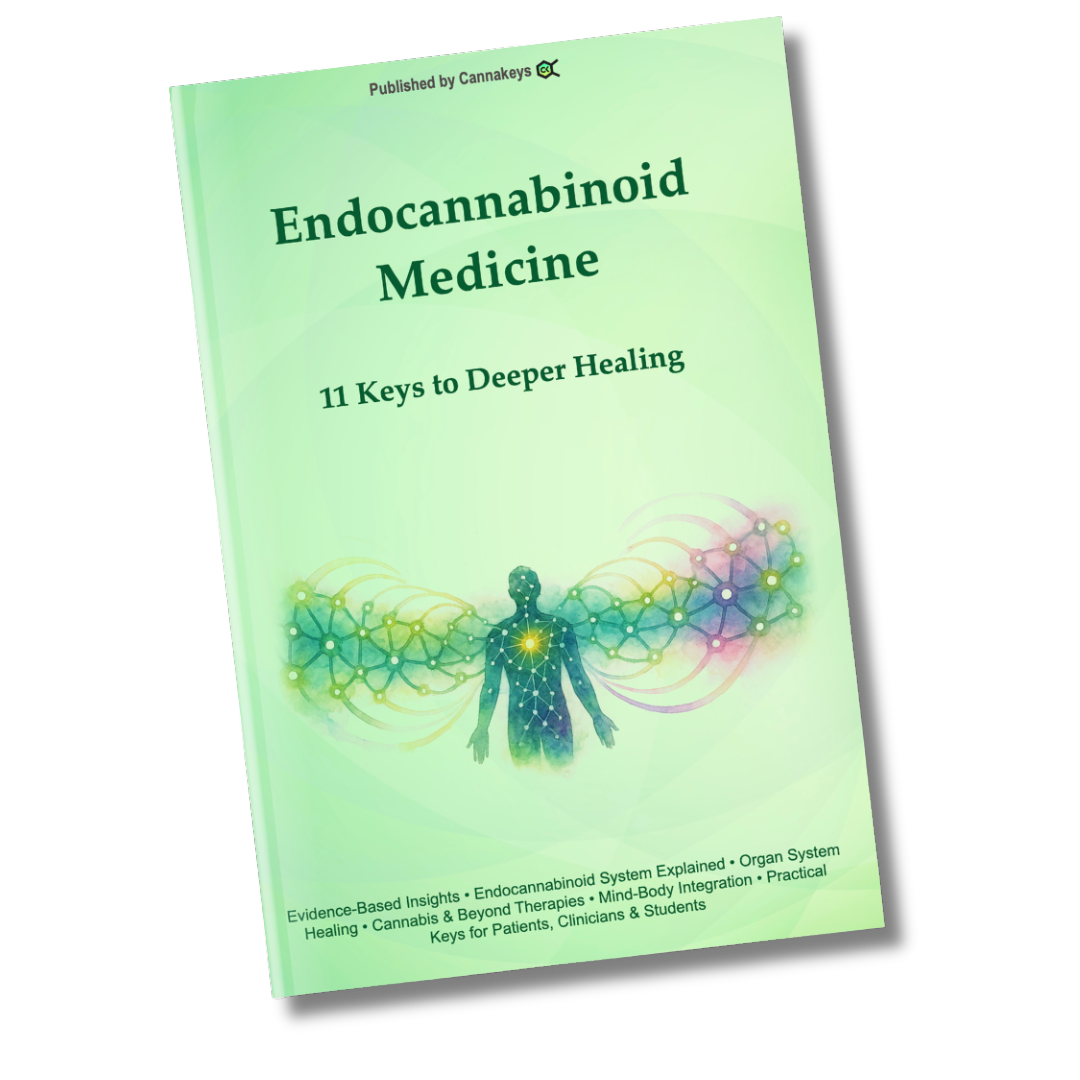
Endocannabinoid Medicine: 11 Keys to Deeper Healing
A clear, science-based guide to working with the endocannabinoid system for whole-body balance.
Buy Book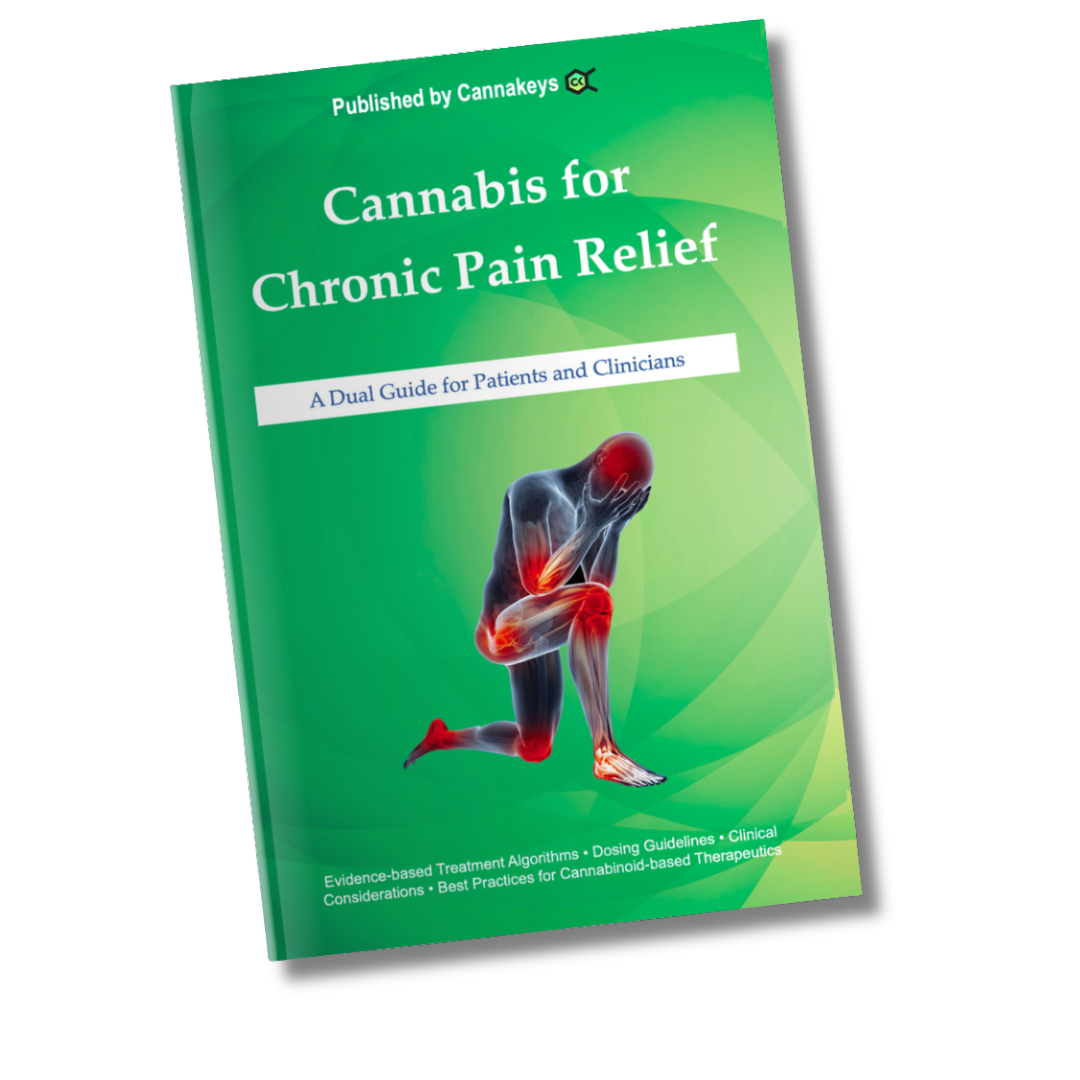
Cannabis for Chronic Pain Relief: A Dual Guide for Patients and Clinicians
A practical, evidence-based guide to using cannabis and cannabinoids for chronic pain.
Buy BookGulf War Illness Research Dashboard
What am I missing as a non-subscriber?
To see a full dashboard with study details and filtering, go to our DEMO page.
As a subscriber, you will be able to access dashboard insights including chemotype overviews and dosing summaries for medical conditions and organ system and receptor breakdowns for cannabinoid and terpene searches. Study lists present important guidance including dosing and chemotype information with the ability to drill down to the published material. And all outputs are fully filterable, to help find just the information you need. Stay up-to-date with the science of cannabis and the endocannabinoid system with CannaKeys.
CannaKeys has 4 studies associated with Gulf War Illness.
Here is a small sampling of Gulf War Illness studies by title:
- Oleoylethanolamide supplementation improves mood and reduces fatigue in veterans with GWI in a 15-week randomized, double-blind, placebo-controlled exploratory clinical trial
- Targeting dysfunctional endocannabinoid signaling in a mouse model of Gulf War illness
- Cannabis Use and Suicide Risk among Gulf War Veterans
- Pyridostigmine bromide exposure creates chronic, underlying neuroimmune disruption in the gastrointestinal tract and brain that alters responses to palmitoylethanolamide in a mouse model of Gulf War Illness.
Ready to become a subscriber? Go to our PRICING page. Want to learn more about Endocannabinoid Medicine? Buy a book.
Endocannabinoid Medicine: 11 Keys to Deeper Healing
A clear, science-based guide to working with the endocannabinoid system for whole-body balance.
Buy Book
Cannabis for Chronic Pain Relief: A Dual Guide for Patients and Clinicians
A practical, evidence-based guide to using cannabis and cannabinoids for chronic pain.
Buy BookSelect New Condition
Overview - Gulf War Illness
Description of Gulf War Illness
Gulf War Illness (GWI) is a long-lasting condition affecting veterans of the 1990–1991 Gulf War. Rather than damaging a single organ, it disrupts how multiple body systems work together—particularly those that regulate communication between the brain, immune system, stress-response systems, and the gut.
Research indicates that GWI is associated with functional dysregulation across the nervous, immune, autonomic, and endocrine systems. These systems may remain structurally intact yet become locked into maladaptive signaling patterns, leading to difficulty recovering from stress and a nervous system that remains on high alert long after the original exposures have ended.
This framework aligns with patient experience: symptoms may appear in different organs, but they share a common theme, reduced regulatory flexibility, and impaired recovery. The body feels unable to fully reset. Learn more about GWI and the ECS.
While the precise causes of GWI are still under investigation, exposure to pyridostigmine bromide (PB) is considered a major contributing factor. Emerging evidence suggests that PB may induce long-lasting, latent changes in neuroimmune signaling, particularly within the gut–brain axis, by altering how endogenous lipid mediators such as palmitoylethanolamide (PEA) regulate inflammation and neural communication. These changes involve shifts in endocannabinoid signaling, TRPV1 activity, and PPARα-mediated anti-inflammatory pathways, helping explain why symptoms can persist or re-emerge long after exposure.
Importantly, Gulf War Illness is now recognized as a real, biologically grounded medical condition, not a psychological disorder or a failure of coping, as it was often mischaracterized in the past. Its development likely reflects a convergence of chemical exposures, physiological stress, and individual vulnerability.
What remains consistent is that people with GWI live in bodies that are working harder than normal to maintain balance.
Clinically, this understanding supports a broader approach to care—one that emphasizes restoring regulatory capacity across stress response, immune balance, sleep, pain processing, and neurochemical signaling, rather than focusing narrowly on isolated symptoms.
At its core, Gulf War Illness is best understood as a disorder of system coordination and regulation, not damage to individual parts. Care that respects this systems-level reality is most likely to support meaningful recovery.
Blog Article: Gulf War Illness and the Endocannabinoid System
Disease Classification
Condition: Gulf War IllnessDisease Family:
Organ System: Nervous System
ICD-10 Chapter: Injury, poisoning, and certain other consequences of external causes
ICD-10 Code: T75.830A
Gulf War Illness Symptoms:
People with GWI often have a mix of symptoms, such as ongoing tiredness, trouble thinking clearly (“brain fog”), chronic pain, headaches, insomnia, stomach issues, mood changes, and being more sensitive to stress. These symptoms can come and go, worsen with activity or stress, and are hard to explain or treat with a single approach.Also known as:
GWI, Gulf War–related illness, Gulf War veterans’ illness, Gulf War Syndrome, Persian Gulf SyndromeDrug Interactions
THC Interaction with Pharmaceutical Drugs
- Tetrahydrocannabinol (THC) can enhance the effects of drugs that cause sedation and depress the central nervous system, such as benzodiazepines, barbiturates, and alcohol.
- THC is metabolized by an inhibitor of several enzymatic liver pathways referred to as cytochrome P450 (aka CYP450). There are more than 50 enzymes belonging to this enzyme family, several of which are responsible for the breakdown of common drugs such as antidepressants (e.g., amitriptyline, doxepin, fluvoxamine), antipsychotics (haloperidol, clozapine, Stelazine), beta-blockers (e.g., propranolol), bronchodilators (e.g., theophylline), or blood thinners (e.g., warfarin). Thus, patients taking these medication classes may find that THC increases the concentration and effects of these drugs and the impact duration.
- Clinical observation (not yet confirmed by clinical trials) suggests no likely interactions with other pharmaceuticals at a total daily dose of up to 20mg THC.
If you are interested in the interaction potential of specific pharmaceuticals with THC, consider visiting these free drug interaction checkers: Drugs.com or DrugBank Online.
CBD Interaction with Pharmaceutical Drugs
- Cannabidiol (CBD) may alter the action of metabolic enzymes (specific drug-transport mechanisms) and alter interactions with other drugs, some of which may produce therapeutic or adverse effects. For instance, CBD interacts with the enzyme cytochrome P450 3A4 and cytochrome P450 2C19, increasing the bioavailability of anti-epileptic drugs such as clobazam (a benzodiazepine). This makes it possible to achieve the same results at significantly lower dosages, reducing treatment costs and risks of adverse effects.
- Groups of drugs affected include anti-epileptics, psychiatric drugs, and drugs affecting metabolic enzymes.
- Clinical observations (not yet confirmed by clinical trials) suggest no likely interactions with other pharmaceuticals at a total daily dose of up to 100mg CBD.
If you are interested in the interaction potential of specific pharmaceuticals with CBD, consider visiting these free drug interaction checkers: Drugs.com or DrugBank Online.
THC/CBD Interaction with Pharmaceutical Drugs
In general, when using cannabinoid-based therapeutics that contain both THC and CBD consider the ratio between them and weigh the relevant information displayed in the individual THC and CBD Drug Interaction windows accordingly.
If you are interested in the interaction potential of specific pharmaceuticals with both primary cannabinoids and THC/CBD, consider visiting these free drug interaction checkers: Drugs.com or DrugBank Online.
Concerns about Cannabis and Cancer-related Immunotherapies:
Some recent clinical observational studies have suggested that the co-administration of cannabinoid-based therapeutics and immunotherapy or immune checkpoint inhibitors in the treatment of certain types of cancer has been associated with worse overall survival rates (T. Taha et al., 2019; A. Biedny et al., 2020; G. Bar-Sela et al., 2020).
However, other studies have suggested that the co-commitment use of immune checkpoint inhibitors and cannabis-induced no such deleterious effects. More specifically, one trial was conducted on animals resulting in data suggesting that cannabis did not negatively affect the properties of immune checkpoint inhibitors (B. Waissengrin et al., 2023). The same authors compared the previous study results with findings from a cohort of 201 patients with metastatic non-small cell lung cancer who received treatment with monotherapy pembrolizumab as a first-line treatment and adjunct cannabis to treat mainly pain and loss of appetite. Their time to tumor progression was 6.1 versus 5.6 months, and overall survival differed between 54.9 versus 23.6 months in cannabis-naïve patients and cannabis-using patients, respectively. However, while numerically different, the authors write that these differences were not statistically significant, leading them to suggest that “These data provide reassurance regarding the absence of a deleterious effect of cannabis in this clinical setting.”
Dosing Considerations
THC Dosage Considerations
- THC micro dose: 0.1 mg to 0.4 mg
- THC low dose: 0.5 mg to 5 mg
- THC medium dose: 6 mg to 20 mg
- THC high dose: 21 mg to 50+ mg
CBD Dosage Considerations
- CBD low dose: 0.4 mg to 19 mg
- CBD medium dose: 20 mg to 99 mg
- CBD high dose: 100 mg to 800+ mg (upper limits tested ~1,500mg)
Disclaimer
Information on this site is provided for informational purposes only and is not meant to substitute for the advice provided by your own licensed physician or other medical professional. You
should not use the information contained herein for diagnosing or treating a health problem or disease. If using a product, you should read carefully all product packaging. If you have or suspect that you have a
medical problem, promptly contact your health care provider.
Information on this site is based on scientific studies (human, animal, or in vitro), clinical experience, or traditional usage as cited in each article. The results reported may not necessarily occur in all individuals. For many of the conditions discussed, treatment with prescription or over-the-counter medication is also available. Consult your physician, nutritionally oriented health care practitioner, and/or pharmacist for any health problem and before using any supplements or before making any changes in prescribed medications.